

|
|
All I Needed
by Dreamlife
140 bpm
0:00
|
| Sort by: | Producer: | Genre: |
| Sounds Like: | Instruments: |
Beat Title | Producer | Rating | MP3 file | WAV file | Tracked Out |
------------
------------
------------
------------
------------
------------
------------
------------
------------
------------
------------
------------
------------
------------
------------
------------
------------
------------
------------
------------
------------
------------
------------
------------
------------
------------
------------
------------
------------
------------
------------
------------
------------
------------
------------
------------
------------
------------
------------
------------
------------
------------
------------
------------
------------
------------
------------
------------
------------
------------
------------
------------
------------
------------
------------
------------
------------
------------
------------
------------
------------
------------
------------
------------
------------
------------
------------
------------
------------
------------
------------
------------
------------
------------
------------
------------
------------
------------
------------
------------
------------
------------
------------
------------
------------
------------
------------
------------
------------
------------
------------
------------
------------
------------
------------
------------
------------
------------
------------
------------
------------
------------
------------
------------
------------
------------
------------
------------
------------
------------
------------
------------
------------
------------
------------
------------
------------
------------
------------
------------
------------
------------
------------
------------
------------
------------
------------
------------
------------
------------
------------
------------
------------
------------
------------
------------
------------
------------
------------
------------
------------
------------
------------
------------
------------
------------
------------
------------
------------
------------
------------
------------
------------
------------
------------
------------
------------
------------
------------
------------
------------
------------
------------
------------
------------
------------
------------
------------
------------
------------
------------
------------
------------
------------
------------
------------
------------
------------
------------
------------
| Beat Title | Producer | Instrumental Genre | Sounds Like / Beat Type | BPM | Plays | Added |
|---|---|---|---|---|---|---|
| Yes Indeed | Que | Rap, Trap | Lil Durk, Meek Mill, Money Bagg Yo | 164 | 193 | 19 hours ago |
| My Regret | Triple A Beats | Dramatic, Smooth, Storytelling | Big Sean, Drake, Eminem | 165 | 414 | Yesterday |
| Utopia | Don P | Dark, Dramatic, Film Music | Hopsin, Tech N9ne | 92 | 522 | 2 days ago |
| Sinners Prayer 3 | Tone Jonez | Hip Hop, Sad, Storytelling | Nipsey Hussle | 79 | 796 | 3 days ago |
| Flicks In Dubai | Methaphorce | Exotic, Melodic, Trap | 21 Savage, Drake, Lil Baby | 88 | 677 | 3 days ago |
| From a Dark Place | Dreamlife | Dark, Dirty South, Trap | Kevin Gates | 140 | 987 | 4 days ago |
| Good Vibez | xXx Productionz | Funk, Happy, Pop | Bruno Mars, Chris Brown | 94 | 828 | 4 days ago |
| Sterling | Nate Rhoads | Guitar, Sad, Smooth | Chris Brown, Jack Harlow, Kehlani | 100 | 849 | 5 days ago |
| Coming For Ya | DopeBoyzMuzic | Trap | Young Jeezy | 72 | 988 | 6 days ago |
| Big Things Coming | Methaphorce | Dramatic, Gangster, Hard | Ace Hood, Meek Mill, Rick Ross | 86 | 908 | 1 week ago |
| LLC | Que | Rap, Trap, West Coast | Lil Wayne, YG | 90 | 953 | 1 week ago |
| Daily | JS Sounds | Hip Hop, RnB, Soul | Future, Kehlani, Rick Ross | 85 | 1,187 | 1 week ago |
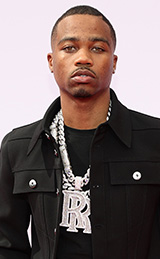
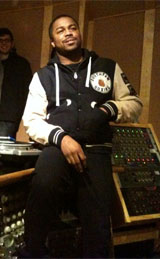

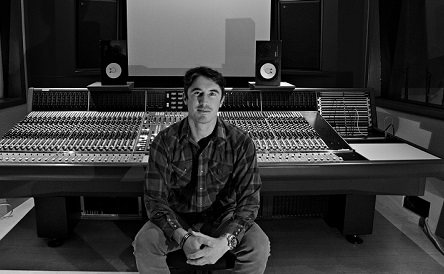
Mike Lightner is an American music producer, composer, and internet entrepreneur. Mike produces a variety of music, particularly hip hop, electronic, acoustic, and R&B. Mike Lightner is the CEO and Co-founder of Jee Juh. Style: Old School Rap Beats, Hard Trap Beats, Acoustic Guitar Instrumentals, Piano Instrumentals, Chill Freestyle Instrumentals Software: FL Studio 11, Pro Tools 11, Reason 8 Equipment: PC Workstation, Midi Keyboard, Acoustic Guitar, M Audio Studio Monitors, Sennheiser HD 650 Headphones, Microphone Biggest Influences: Nine Inch Nails, Michael Jackson, Dr Dre, Beastie Boys, Timbaland, Scott Storch, My Dad, House of Pain, Neptunes, Lil Wayne, Tupac, 50 Cent, Bob Marley, Ramayana |
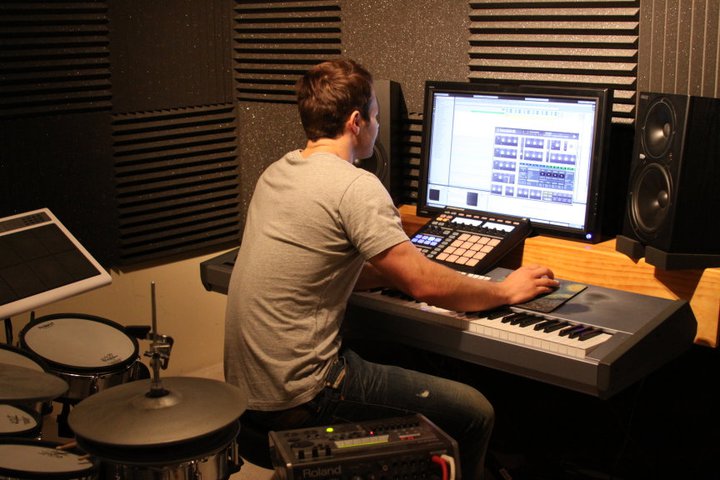
Elliot Waite is an American music producer and internet entrepreneur. His genres include hip hop, R&B, pop, and electronic music. Elliot Co-founded Jee Juh with long term friend Mike Lightner. Style: Scott Storch Type Beats, Hard Gangsta Rap Beats, EDM Dance Instrumentals, Piano Instrumentals, Smooth R&B Beats Software: Ableton Live 9, Pro Tools 11 Equipment: Motif ES8, Roland V-Drums TD-20SX, Roland SPD-20, NI Maschine, Sony PCM-D1 Mic, Mackie HR824 Monitors, Mac Pro 12-Core Biggest Influences: Dr Dre, Scott Storch, Timbaland, Kanye West, Just Blaze, Will.i.am, Stargate, Radiohead, Deadmau5, Kaskade, Skrillex |
|||
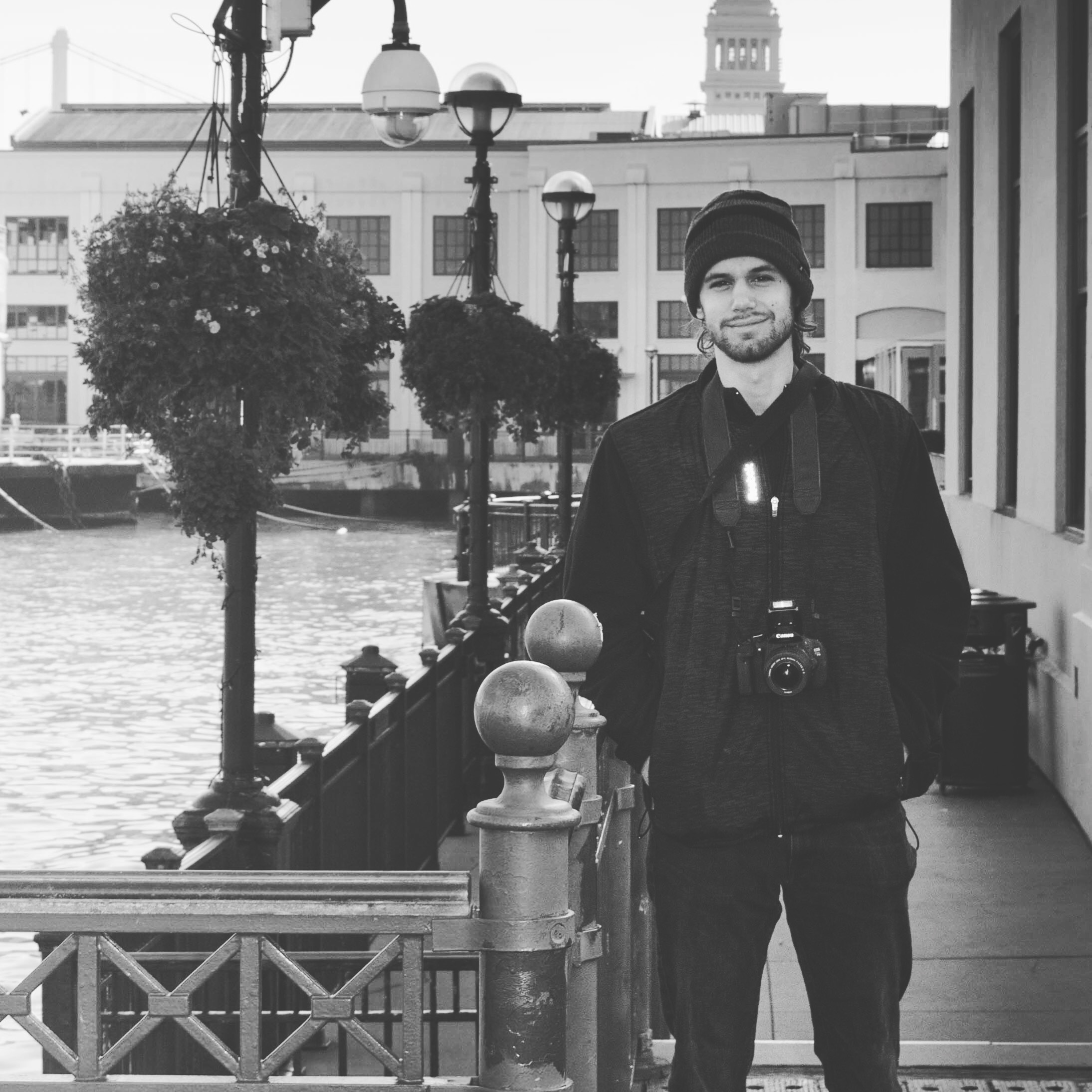
Epistra Beats is a musician, instrumental producer, composer, and somewhat of a singer from San Jose, CA. He creates/composes many different unique styles of music from Rock to Underground Hip-Hop sounds. Style: Underground Hip Hop Beats, Storytelling Rap Beats, Rock Rap Instrumentals, Uplifting Instrumentals, Motivational Beats, Dramatic Beats, Cinematic Beats Software: Pro Tools 11, FL Studio 11 Equipment: PC & Macintosh, Blue Bottle Microphone, UA 6176 preamp and limiter, Novation Impulse Keyboard, Motif Rack XS, and UAD Apollo Interface. Biggest Influences: Hans Zimmer, Dr. Dre, Two Steps From Hell, and Avicii |
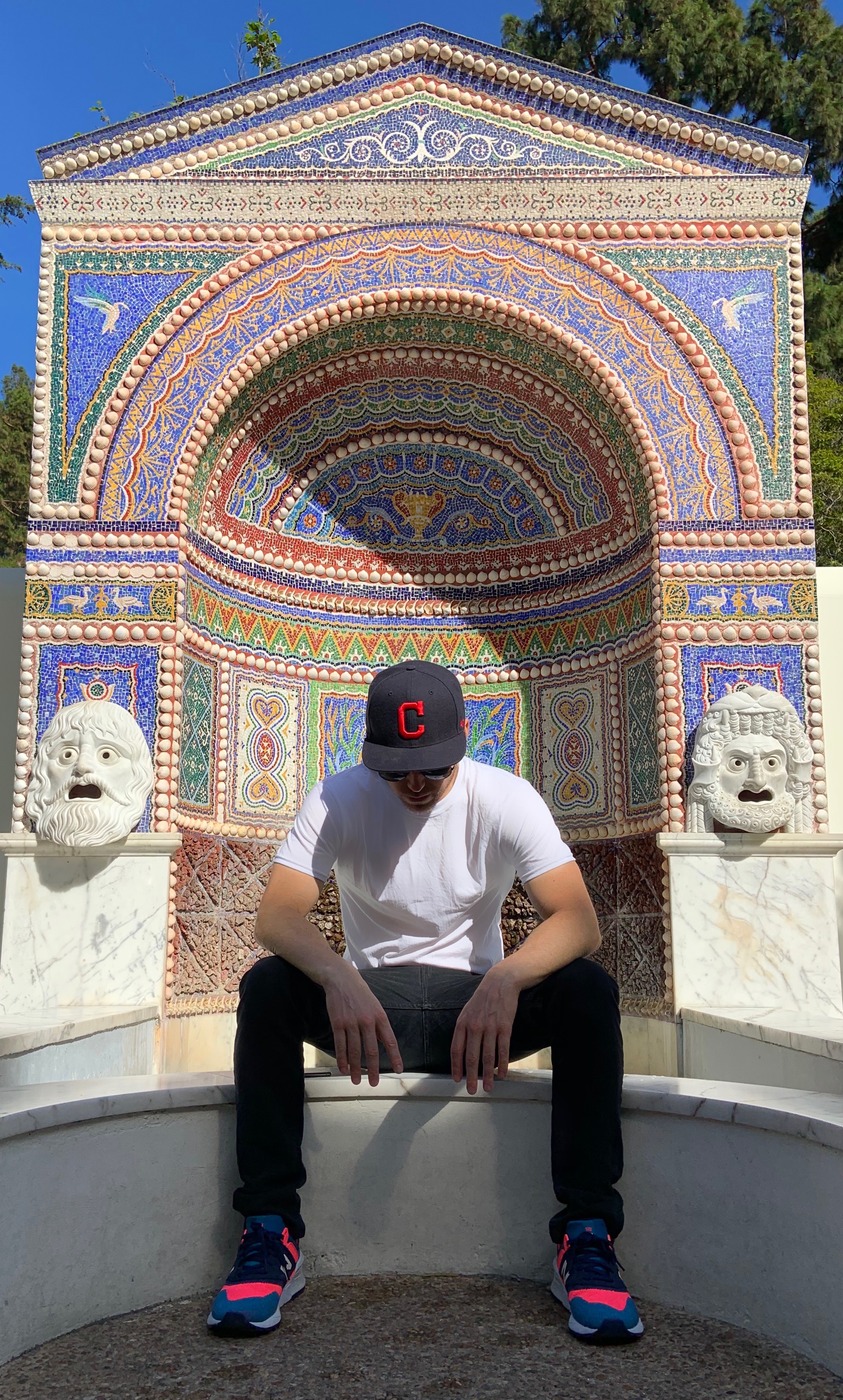
IV is a musician, songwriter, and producer. His genres include hip hop, pop, electronica, indie rock, and folk rock. He currently is working with some of the top artists in the music industry today. Style: Guitar Rap Beats, Electronic Beats, Old School Boom Bap Instrumentals, R&B Instrumentals, Alternative Beats, Hard Trap Beats, Sample Beats Software: Pro Tools 11, Abelton Live 9 Equipment: Consoles, Compressors, Limiters, Mics, Drums, Guitars, Synths, Modules, Controllers, Keyboards Biggest Influences: Dre, Pac, Snoop, Biggie, Em, Bone, Nas, Timbaland, Beatles, Queen, Prince, Michael Jackson, Skrillex |
|||
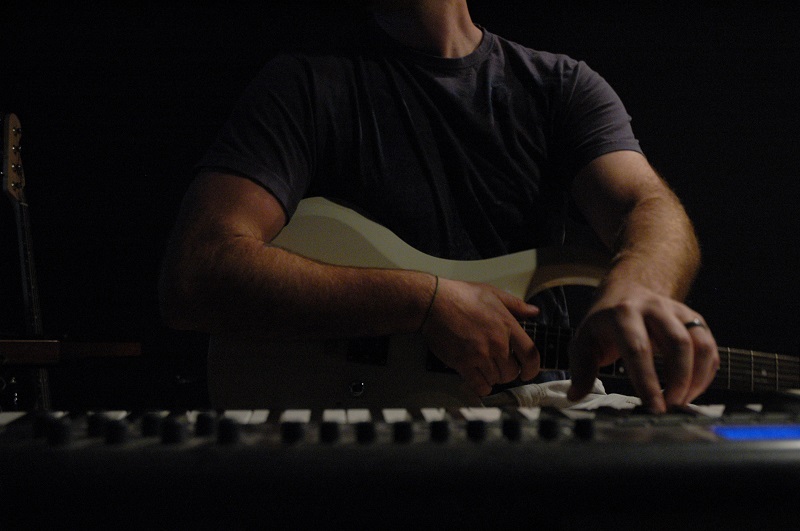
Dustin James Corbett is an American songwriter and producer. Style: Sampled Hip Hop Beats, Old School Rap Beats, Hard Trap Instrumentals, Freestyle Rap Instrumentals, Boom Bap Beats, 90s Hip Hop beats Software: FL Studio, Pro Tools Equipment: Neumann TLM 103 Microphone, Guitars, Keyboards, and a lot of plugins. Biggest Influences: Hi Tek, Just Blaze, Emile Haynie, Alchemist, DJ Khalil, Justice League, Boi1da, Mark Ronson, Ryan Tedder, 40, Alex Da Kid, Shlohmo, Salaam Remi, Little Dragon, JT Evans. I love all these producers/artists, but believe that all creativity ultimately comes from The Creator God, and more fully thru a relationship with Christ! |
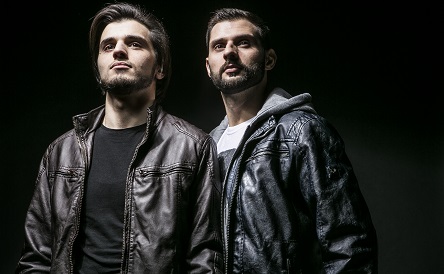
Tommaso and Alessandro Pinto aka The DopeBoyzMuzic. Two brothers of Italian/Greek heritage living in Germany, producing quality Hip Hop and R&B music since 2008. The DopeBoyzMuzic are one of the most successful producers online, having produced, remixed, mixed and mastered songs for independent artists in over 35 different countries. Style: Soulful Rap Beats, Hard Trap Beats, Club Beats, Dance Beats, Inspirational Hip Hop Beats, R&B Instrumentals, Pop Instrumentals, Beats with Hooks Software: Cubase 8 Pro, FL Studio 9 Equipment: PC Work Station, M-Audio Keystation 88, Maschine Mikro, RODE NT2-A, ESI NEAR 08's & 05's Biggest Influences: Dr. Dre, Timbaland, Scott Storch, Just Blaze, Dj Premier, Cardiak, Illmind |
|||
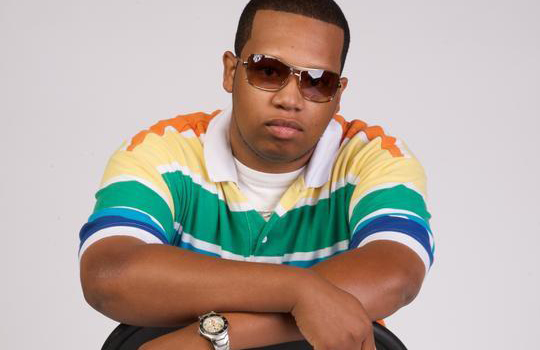
Tone Jonez is a musician, songwriter, singer, and producer located in Atlanta, Georgia. With over 20 years of experience as a musician, he covers a wide variety of genres including but not limiting to hip hop, r&b, jazz, gospel, orchestral, rock. etc. His ultimate goal with every track is to take the listener on a journey, evoking emotion through stellar musicianship and detail. Style: Cinematic Beats, Soulful Rap Beats, Gospel Beats, Trapsoul Beats, Jazzy Instrumentals, Hard Trap Instrumentals, Beats with Hooks, Old School Rap Beats, Jazz Trap Beats, Blues Rap Beats Software: Logic Pro, Maschine, Protools 11, Reason 8, FL Studio 11 Equipment: Mac, Triton Extreme, Electric Guitar, Bass Guitar, Saxophone, percussion instruments, Yamaha HS80m Monitors, Digi 003 Interface, Maschine Controller, Beyerdynamic DT770 PRO Headphones, Shure Ksm27 Microphone, GAP73 preamp Biggest Influences: God, Timbaland, DJ Khalil, Just Blaze, Michael Jackson, Hans Zimmer, 70s Soul Music |

Two Albanian born brothers have dreamt of becoming professional musicians, songwriters and producers all their life. That dream has now come true since they are working with some of the world's top acts in the music business. The brother's vast knowledge of music is now allowing them to master more than just one genre - blending: Hip Hop, R&B, Pop & Dance! Music is where they feel at home. Style: Hard Trap Beats, Dance Beats, Club Beats, Chris Brown Type Beats, Club Bangers, Pop Beats, Hip Hop Beats, Smooth R&B Instrumentals, Rap Trap Instrumentals, Gangsta Rap Beats Software: FL Studio 11 Equipment: PC Work Station, Keyboards, Focusrite Scarlett 2i4, Synths, Guitars, Drums Biggest Influences: Dr Luke, Max Martin, Stargate, Michael Jackson, Dr Dre |
|||
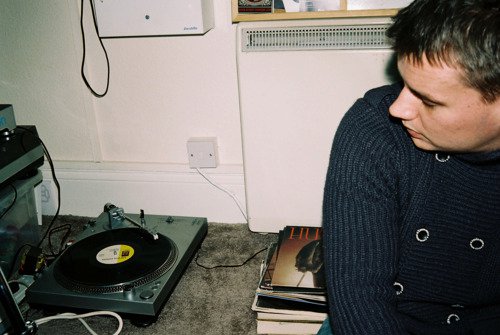
Dreamlife is a certified platinum producer originally from the UK, known for his authentic Hip Hop sound but with a modern twist. Dreamlife's recent major credits include Kevin Gates (Not The Only One), Kodak Black (Candy Paint), Gunplay (Bible On The Dash 2), Snoop Dogg (Always Got Something To Say), Wale (Rozay Scarface Gotti), Smoke Dza (Blunted), TK Kravitz (No Mind) Style: Chill Rap Beats, Old School Hip Hop Beats, Smooth Trap Beats, Smooth R&B Instrumentals, Freestyle Rap Instrumentals, West Coast Beats, 90s Rap Beats, Cypher Beats Software: Logic X, Native Instruments, Omnisphere, Analog Lab, Keyscape. Battery Equipment: Apple IMac, Prophet 6 (Hardware synth), Oberhiem OB6 (Hardware synth), Moog Sub 37 (Hardware synth), Juno 106 (Vintage hardware synth) Genelec Monitors, Beyerdynamic DT 770 Pro's, Standup Piano. Biggest Influences: J.Dilla, Just Blaze, Neptunes, Dr Dre, DJ Quik, Battle Cat, Pete Rock, DJ Premier |

Don P is a diverse music producer that started producing in the late 90's. He made a name for himself in the music production industry when he started producing big records for multiple major artists. All his beats are professionally sequenced, arranged, mixed and mastered with professional studio equipment. If you compare his beats with industry beats from TV & Radio, you won't hear a difference. Style: Hard Rap Beats, Gangsta Hip Hop Beats, 2000s Rap Beats, Hard Trap Instrumentals, Old School Instrumentals, 50 Cent Type Beats, Dr Dre Type Beats, Club Banger Beats, Freestyle Instrumentals Software: Pro Tools, Logic Pro, FL Studio Equipment: Mac Workstation, Midi Keyboard, Acoustic Guitars, KRK VXT 8 Studio Monitors, BeatsByDre Headphones, Microphones, Percussive Instruments, M-audio Interface, SSL Mixing Board, NI Maschine, Motif Rack Biggest Influences: Focus, Just Blaze, Dr. Dre, Teddy Riley, Timbaland, Scott Storch, Neptunes, DJ Khalil |
|||
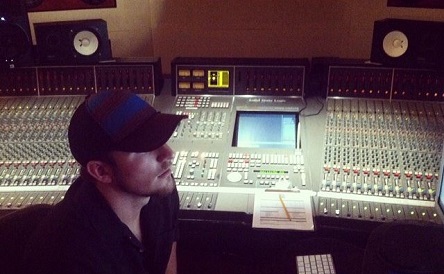
Having produced for acts such as Lil Wayne, Logic, G Unit, Brother Ali, Skyzoo, Yonas and more, I strive to offer the same quality of production to the independent artist that I offer up to the major artist. For nearly a decade I have been working on both the major and independent level with an equal respect for both sides of the industry. With the services I offer, I take potential and turn it into success. I understand the struggle of being an independent artist, and with that in mind I'm offering professional, industry standard work for a price that is reasonable. Style: Hard Trap Beats, Freestyle Instrumentals, Classic Hip Hop Beats, Aggressive Instrumentals, Underground Hip Hop Beats, Smooth Trap Beats, RnB Instrumentals, Afrobeat Instrumentals Software: Pro Tools 12 Equipment: Maschine, and a midi keyboard Biggest Influences: Dr Dre, J Dilla, Yanni, Kanye West, Cannibal Ox |
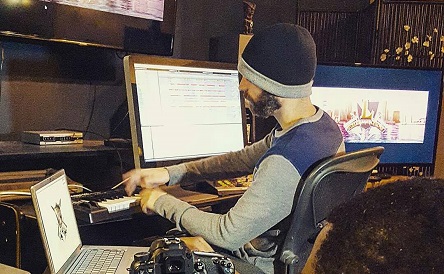
The Legion started out producing for some of the biggest names in Bay Area Hip Hop like E-40, Too Short, Messy Marv and many more. Now, the team has grown in size and reach with members in The Bay and LA. They've worked with artists like French Montana, Bun-B, and 2 Chainz. They also regularly license music to shows on TV networks like VH1, MTV, USA, ABC, and more. Style: Acoustic Guitar Beats, West Coast Rap Beats, Hip Hop Beats with Hooks, Club Beats, Pop Beats, Dark Rap Beats, Hard Trap Beats, Up Beat Instrumentals Software: Ableton Live, Pro Tools Equipment: iMac, TLM 103, Avalon 737, Guitar, Bass, Percussion, M-Audio Keystation Biggest Influences: Dr Dre, Timbaland, DJ Mustard, Dr Luke, Cozmo |
|||
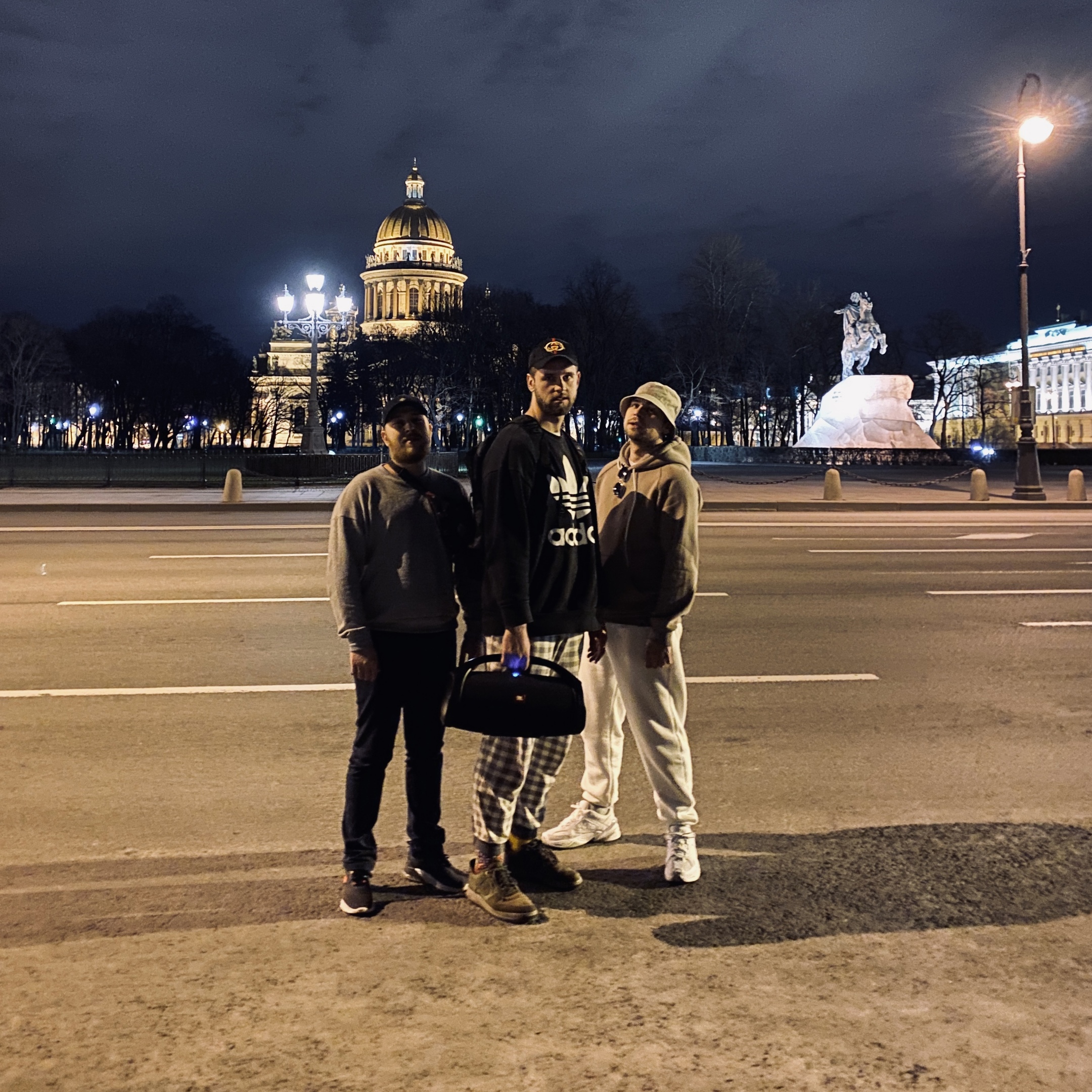
Anywaywell is a team of music producers based out of Europe. So far they have worked with Oxxxymiron, Lil Flip, Blacklite District, Slame (Black Star), WRKINSILENCE, VI Seconds, GAWNE, Danny Gonzalez and more. Style: East Coast Rap Beats, Trap Beats, Reggaeton Beats, Pop Beats, Old School Hip Hop Beats, Guitar Instrumentals, Pop Instrumentals, Rock Rap Instrumentals, Chill Instrumental Beats Software: Fruity Loops 21, Logic X Equipment: RME UFX+, Rme Babyface pro (audio interface), Manley Mic + preamp Core + Neumann TLM 102, Yamaha HS8, Adam A7X + Adam Sub8, Sennheiser HD650 (headphones), Native Instruments 61 mk2 (midi), SSL Fusion. Biggest Influences: Scott Storch, Timbaland, Dr. Dre, Hans Zimmer |
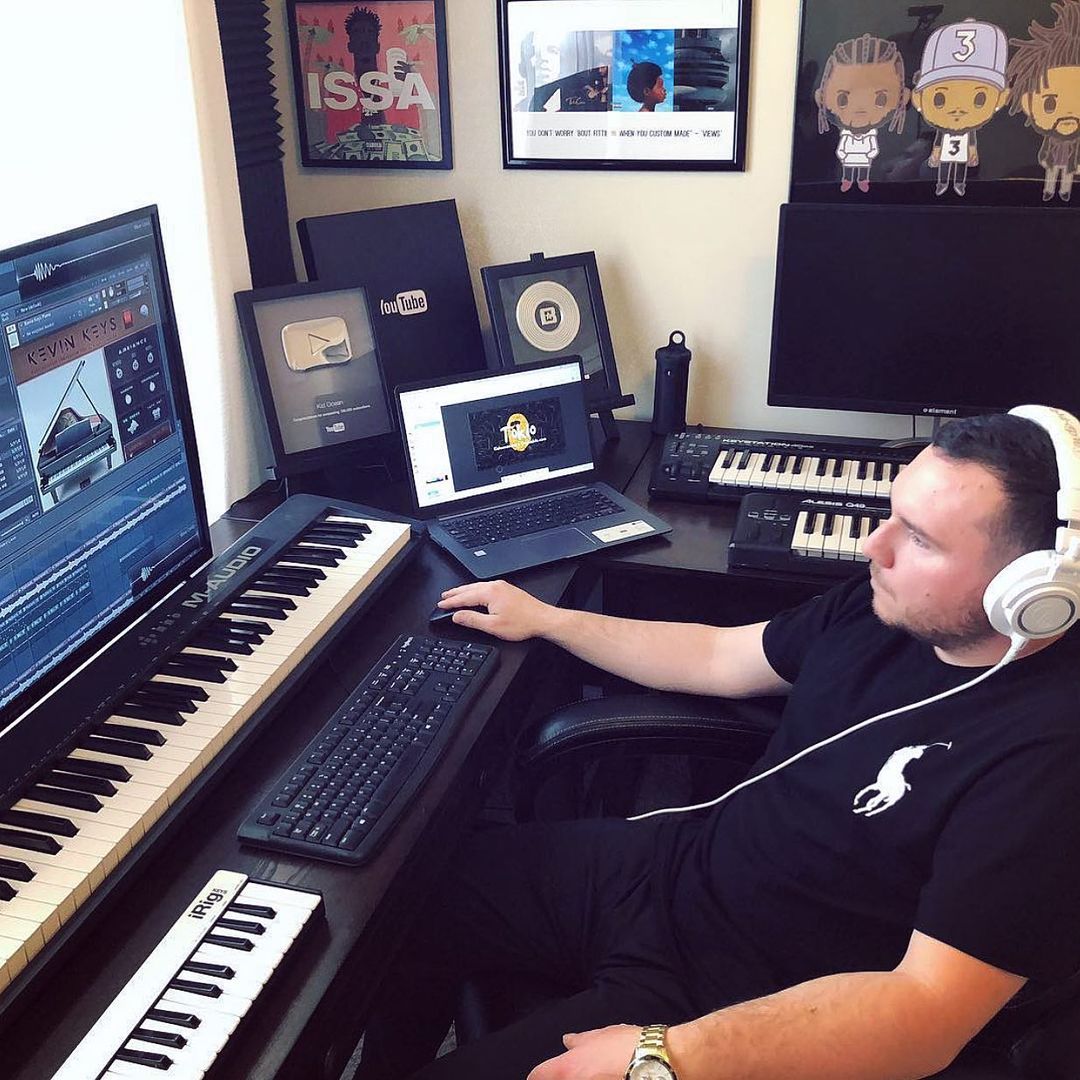
Kid Ocean is a music producer and YouTuber from Upstate New York. He creates Trap / Soul / Rap and Hip Hop Instrumentals for indie artists, labels, commercials etc. Style: Chill Trap Beats, Freestyle Rap Beats, Old School Hip Hop Beats, Smooth Instrumentals, Exotic Hip Hop Beats, 808 Beats, Up Beat Rap Beats Software: FL Studio, Omnisphere, Komplete Equipment: PC, Akai, Keystation 88, Alesis Biggest Influences: J Cole, Mac Miller, Chance The Rapper, Kendrick Lamar, DreamVille, Kota The Friend, Lil Mosey, NBA YoungBoy, Roddy Ricch, Rod Wave, Lil Baby, Gunna |
|||
